7 Ways Quality Support Can Strengthen Family Confidence
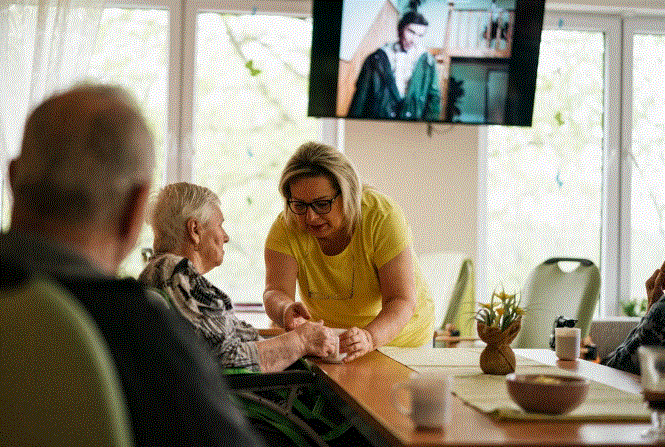
Families often reach a turning point when they begin exploring long term support for an older adult. It is a moment filled with care, responsibility, and the desire to ensure a loved one feels respected and understood. Quality support does more than assist with daily needs. It reassures families, strengthens trust, and creates a foundation where everyone involved feels more secure. Communities such as Mattison Crossing demonstrate how thoughtful practices, compassionate communication, and personfirst care can help families feel confident in the choices they make. Understanding how quality support influences family confidence begins with recognizing the elements that shape daily comfort and emotional stability.
Personalized Support That Honors Individual Identity
Personalized support
Families gain confidence when they see their loved one receiving support that reflects personal history, preferences, and routines. Quality care begins with understanding how an individual prefers to start their day, what brings them calm, and which activities feel meaningful. This personfirst approach ensures that support feels natural rather than imposed.
For residents living with Parkinson’s or other conditions, adaptable guidance helps maintain comfort without implying constant supervision. Families appreciate knowing that care teams take time to learn who their loved one is, not just what support they need. This attention to identity builds trust and reassurance.
Environments Designed to Promote Comfort and Safety
Supportive environments
A thoughtfully designed environment plays a significant role in strengthening family confidence. Wide hallways, clear pathways, supportive handrails, and well lit areas help residents navigate shared spaces with ease. These features reduce stress and support mobility, creating surroundings that feel intuitive and reassuring.
Inviting lounges, peaceful outdoor areas, and calming décor contribute to emotional comfort. Families feel more confident when they see their loved one surrounded by spaces that encourage relaxation and reduce unnecessary strain. A supportive environment becomes a quiet but powerful source of reassurance.
Predictable Routines That Create Stability
Predictable routines
Consistency helps families feel secure in the care their loved one receives. Predictable routines create a sense of stability that supports emotional balance and daily comfort. Mealtimes, wellness activities, social opportunities, and quiet reflection periods can be arranged in ways that reduce uncertainty and promote familiarity.
For individuals experiencing cognitive changes, predictable routines help reduce confusion and support a more grounded daily rhythm. Families gain confidence knowing that their loved one’s day unfolds with gentle consistency and thoughtful structure.
Meaningful Social Opportunities That Support Emotional Well Being
Social opportunities
Social connection plays a vital role in emotional wellness, and families often feel more confident when they see their loved one engaging with others. Creative workshops, shared meals, group discussions, and casual conversations help residents build relationships that enrich daily life.
Care teams gently encourage participation in ways that feel comfortable and reassuring. For residents living with Parkinson’s or other conditions, structured social opportunities provide familiarity and ease. When families witness these moments of connection, they feel reassured that their loved one is supported emotionally as well as physically.
Wellness Experiences That Promote Holistic Comfort
Wellness experiences
Holistic wellness programs help residents feel more balanced, confident, and supported. Gentle movement sessions, relaxation activities, mindfulness practices, and educational discussions contribute to physical comfort and emotional resilience. Families often gain confidence when they see their loved one participating in wellness experiences that support long term comfort.
For individuals experiencing physical or cognitive changes, wellness offerings can be adapted to ensure accessibility and reassurance. When wellness is woven naturally into daily routines, families feel secure knowing their loved one is receiving thoughtful, comprehensive support.
Compassionate Communication That Builds Trust
Compassionate communication
Clear, respectful communication strengthens family confidence. Quality support includes consistent updates, attentive listening, and open collaboration. Families benefit from care teams who communicate with empathy and transparency, ensuring that decisions reflect the resident’s preferences and comfort levels.
Personfirst communication helps families feel included and reassured. When care providers prioritize clarity and compassion, trust grows naturally.
Care Teams Who Demonstrate Professionalism and Warmth
Care team professionalism
The professionalism and warmth of care teams influence every aspect of a resident’s experience. Families feel more confident when they see staff members interacting with residents respectfully, patiently, and thoughtfully. Providers who invest in ongoing training ensure that care teams understand personfirst practices, communication strategies, mobility assistance techniques, and cognitive support approaches.
For individuals experiencing cognitive or physical changes, adaptable guidance ensures comfort without implying constant supervision. Families gain reassurance knowing their loved one is supported by professionals who prioritize dignity and emotional well being.
Conclusion
Quality support strengthens family confidence by honoring personal identity, creating supportive environments, establishing predictable routines, encouraging meaningful social connection, offering holistic wellness experiences, communicating with compassion, and demonstrating professionalism through every interaction. These elements work together to create surroundings where residents feel respected, comfortable, and reassured. When senior communities prioritize dignity and emotional well being, they help families feel secure in the care their loved one receives and confident in the path ahead.