The Hidden Tricks Behind ‘Premium’ Menswear Branding
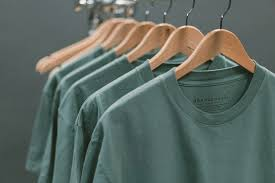
Let’s be honest. You’ve been in that situation before. You walk into a nice-looking store with soft lighting and minimal furniture. You pick up a plain grey t-shirt. It feels thick. It feels solid. You turn over the price tag, and it says £180.
Your brain immediately tries to justify it. Maybe the cotton is special. Maybe it will last ten years. Maybe this is just what grown men are supposed to wear now.
But here’s the thing. That £180 t-shirt probably comes from the same factory as a £20 one. The leather boots that need three months to “break in” are not a sign of quality—they are a sign of poor design. And that “heritage” brand that talks about its 150-year history? They were bought by a private equity firm five years ago.
Welcome to the world of premium menswear marketing. It is not really about fabric or stitching. It is about psychology. And once you see the tricks, you will save a lot of money.
The Heavyweight Lie
The first trick is the easiest to spot once you know what to look for. Premium brands have decided that heavy fabric equals good fabric. A lightweight t-shirt feels cheap to them. A “heavyweight” t-shirt feels substantial. It feels like you are getting something for your money.
And to be fair, there is some truth there. Very cheap, thin cotton does not last long. But the premium brands have taken this idea and pushed it to an extreme. They sell hoodies that weigh over 500 grams. They sell denim that feels like cardboard. They call it “rugged” and “hard-wearing.”
What they don’t tell you is that heavy cotton is often uncomfortable. It does not breathe well. It takes forever to dry. And in summer, wearing a “premium heavyweight” t-shirt is genuinely unpleasant. You are paying extra for the privilege of being too warm.
The trick is simple. They sell you the feeling of durability, not the reality of it. A normal, mid-weight t-shirt from a decent high-street brand will last just as long and feel better while doing it.
The Inconvenience Trap
Here is where things get a bit sneaky. Premium menswear brands love to make things difficult for you.
Raw denim is the perfect example. You buy a pair of jeans for £250. The label tells you not to wash them for six months. It warns you that the blue dye will rub off on your hands, your sofa, and your light-coloured trainers. It explains that the jeans will be stiff and uncomfortable for weeks, maybe months, until they finally “mould to your body.”
And here is the crazy part. Men actually fall for this. They wear uncomfortable jeans for half a year. They take photos of the “fades.” They argue on internet forums about the best way to do a cold soak.
Why? Because effort creates emotional attachment. If you suffer for a product, you convince yourself it must be worth it. Psychologists call this the IKEA effect—you value things more when you put work into them. The brands know this. They are not selling you jeans. They are selling you a project.
The same goes for leather boots that blister your heels, woollen jumpers that need hand-washing, and jackets that require special wax. None of this is necessary. It is a marketing strategy dressed up as tradition.
The Quiet Luxury Script
You have probably noticed that premium brands talk differently than normal brands. A normal advert says “SALE! 50% OFF! BUY NOW!” A premium brand says almost nothing.
Look at the website of any trendy menswear label. The model is standing by a window looking at the rain. The product description says something like “Cotton. Made in Portugal. Fits true to size.” That is it. No claims about quality. No technology. No reasons to buy.
This is very deliberate. By saying very little, they force you to fill in the gaps with your own imagination. If they are not shouting about how good it is, it must be so good that it speaks for itself. It is the marketing equivalent of a strong, silent type in a movie.
The truth is that this “quiet luxury” script has become a trend in its own right. It works because we are all tired of loud, aggressive advertising. But silence is not the same as quality. A brand with a minimalist website and three-word descriptions can still sell you overpriced mediocre clothing. The only difference is that they have learned to whisper instead of shout.
The Geography Trick
“Made in Italy.” “Made in England.” “Made in Japan.”
These three phrases are gold dust in menswear marketing. Slap one of them on a pair of trousers, and you can instantly add £100 to the price.
But here is what the brands do not want you to know. Those labels are often misleading. The laws in most countries allow a product to say “Made in Italy” if only the final stage of production happened there. So your Italian leather belt might have had the leather tanned in Turkey, the buckle made in China, and the finishing done in a small workshop near Florence. Technically, it is Italian. Practically, it is global.
The marketers know that customers want a story. They want to imagine an old craftsman with a white beard carefully stitching their boots by hand. That image is worth a lot of money. But the reality is that most “premium” clothing is made in the same factories as mid-range clothing, just with a different label sewn in at the end.
That does not mean all heritage manufacturing is fake. Some truly excellent clothing still comes from Northampton, from Biella, from Okayama. But you should be skeptical. Look for brands that are transparent about their supply chains. If a brand talks endlessly about “heritage” but never names its actual factory, be careful.
The Temple Store
Have you noticed that premium menswear shops look like art galleries? Concrete floors. Bare walls. Dim lighting. A single jumper folded on a massive stone table. The music is quiet. The staff are whispering.
This is not a coincidence. It is called atmospheric charging. The store is designed to make you feel calm, serious, and slightly intimidated. When you feel like you are in a special place, you expect to pay special prices.
Compare that to a brightly lit supermarket or a busy high street chain. Those places are designed for speed and volume. You grab what you need and leave. The premium store wants you to slow down. It wants you to touch the fabric. It wants you to stay for twenty minutes and leave with a £300 jacket you did not come in for.
The trick works because we associate quietness with quality. A loud, aggressive store feels cheap. A calm, minimalist store feels expensive. But the rent on that calm, minimalist store is just as expensive as the clothing inside. You are paying for the lighting, the concrete floor, and the whispered conversation as much as for the shirt.
The “Timeless” Myth
Finally, let us talk about the biggest idea in premium menswear: timelessness.
Every brand claims to be making “investment pieces” that will last forever. They say they are “anti-trend.” They mock fast fashion for being disposable.
And yet, look at what they actually sell. It is always the same uniform. Raw denim. White sneakers. A grey sweatshirt. A navy blue peacoat. They have convinced men that true style never changes, and that wanting something new or interesting is immature.
But here is the problem. Timelessness is a myth. Fashion always changes, even the “timeless” stuff. The white sneakers that were cool in 2012 look different from the white sneakers that are cool now. The fit of jeans changes. The cut of a t-shirt changes. If you buy a “timeless” wardrobe today, you will still look dated in ten years. You will just look dated in a very boring, beige way.
The real trick is that “timeless” clothing is cheaper to manufacture. Solid colours, simple cuts, no patterns. No risk. And then they charge you a premium for the discipline of wearing something boring. It is a brilliant business model.
How to Shop Smarter
So, after all of that, should you never buy expensive clothes?
No. That is not the point. Good clothing exists. A well-made pair of trousers feels better and lasts longer than a cheap pair. Stitching quality, fabric feel, and fit all matter.
But buy for the right reasons. Ignore the story. Ignore the lighting in the store. Ignore the six-month break-in period. Ask yourself three simple questions.
First, does this actually feel good on my body right now? Not in three months. Now.
Second, can I see exactly where it was made? If the brand hides its supply chain behind vague words like “heritage” and “artisanal”, be suspicious.
Third, am I buying this because I need it, or because I want to feel like the kind of man who wears it?
Premium menswear is not a scam. It is just theatre. The lights are low, the music is quiet, and the story is very well written. Enjoy the show. Just do not feel pressured to buy the merchandise on your way out.