Why Wall Decor Matters in Home Staging Success
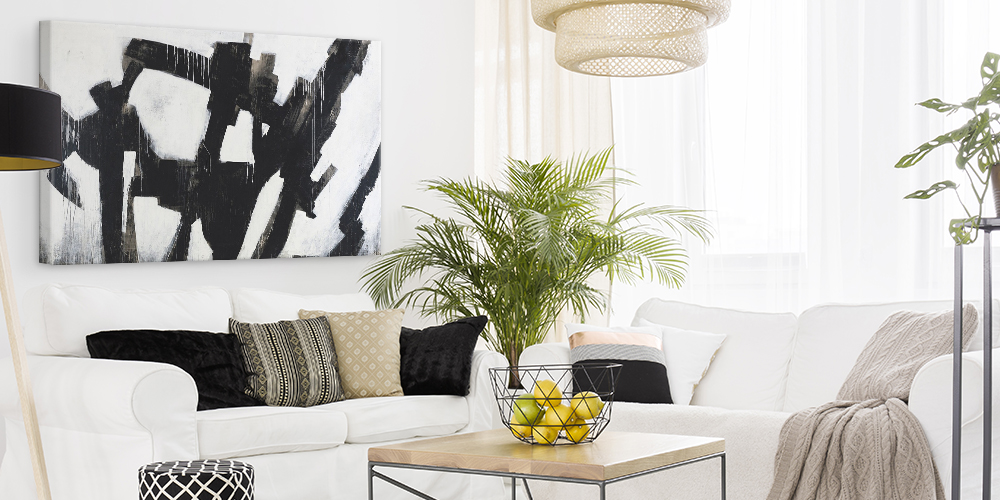
Home staging transforms a property into a market-ready space that appeals to the broadest audience. While furniture and lighting are often the focus, wall décor is a critical yet often underestimated component. It plays a strategic role in shaping first impressions, creating an emotional connection, and guiding buyers’ perception. Here’s why wall décor should never be an afterthought in home staging.
Setting the Emotional Tone of a Space
When buyers enter a property, they form instant emotional impressions. Blank walls can feel cold or impersonal, while carefully chosen art adds warmth, mood, and life. Artwork invites buyers to imagine the space as lived-in and loved, without being overly personal.
By suggesting lifestyle and taste, wall décor helps buyers connect with the space. This emotional resonance can influence decisions more than layout or finishes. Staging with art creates a sense of belonging—an emotional cue that’s crucial for making a lasting impact.
Adding Style Without Clutter
In staging, less is more. The aim is to show off the home’s potential without overcrowding it. Wall décor is the ideal design element to elevate a space’s style without adding physical clutter.
A well-placed piece of art can define a room’s character: whether it’s calm, contemporary, vibrant, or classic. Unlike rugs or side tables, it doesn’t occupy floor space but still adds richness to the visual palette. In minimalist staging, especially, art fills visual voids while preserving simplicity.
Thoughtful wall decor serves as a powerful psychological tool in home staging, transforming cold, empty rooms into aspirational living spaces that buyers can’t help but fall in love with. By partnering with a reliable decor supplier in canada, stagers can source the perfect balance of neutral artwork and statement pieces that highlight architectural features while maintaining broad market appeal. Ultimately, these visual accents guide the buyer’s eye and create the emotional “at home” feeling necessary to secure a faster, more profitable sale.
Enhancing Proportions and Flow
Art plays a subtle role in how people perceive size, height, and layout. Bare walls can exaggerate scale and make rooms feel unfinished or awkward. Artwork provides visual anchors that help buyers interpret space correctly.
For example, vertical pieces can emphasise ceiling height, while horizontal works stretch sightlines across a room. Likewise, the careful placement of large framed wall art can define open-plan areas or guide the eye towards architectural highlights like fireplaces or windows. It’s an effective way to control how viewers move through the space.
Making Spaces Memorable
In a competitive market, buyers often view several properties in one day. The homes they remember are the ones with distinct visual elements. Wall décor can provide that hook—something subtle yet striking that lingers in a buyer’s mind.
An art piece with a bold shape or colour palette might be the detail that sets a home apart. More importantly, it frames the space in a way that makes it photogenic, which boosts its appeal in online listings. Memorable visuals mean more clicks, more viewings, and faster sales.
READ MORE:From Red Carpet to Roulette Table
Bringing Cohesion to Staging Design
Good staging tells a cohesive visual story. Art helps connect the dots between furniture, lighting, and architectural features. Without it, rooms can feel disjointed or incomplete. Establishing a clear visual hierarchy ensures that the eye moves naturally from one focal point to another, creating a sense of order and balance.
Using consistent tones or themes in wall décor unifies different spaces within a property. This is especially important in larger homes where style variation across rooms can distract or confuse buyers. Art creates continuity and flow, reinforcing the home’s design identity from room to room.
Balancing Neutral Palettes
Staging often relies on neutral colours to appeal to a wide audience. However, this can sometimes result in sterile interiors that lack energy. Wall décor provides a safe, stylish way to introduce colour, texture, and contrast.
Art can inject just enough personality to make a space feel curated rather than generic. It draws attention in a way that doesn’t polarise tastes, bridging the gap between universal appeal and distinctive style. It keeps the interior from feeling too safe or forgettable.
Elevating Perceived Value
Buyers aren’t just shopping for square footage—they’re buying into a lifestyle. Thoughtful wall décor makes a home feel polished and well-maintained, suggesting that other aspects of the property are equally cared for.
Professionally styled art can evoke a sense of luxury or refinement that elevates the perceived value of a home. It can make even modest properties feel upscale. This perception can influence both emotional attachment and the final offer.
Turning Blank Walls into Selling Points
Wall décor is a quiet powerhouse in the home staging process. It shapes mood, improves layout perception, enhances style, and makes properties stand out—both in person and online. In a competitive property market, it’s these details that can influence buyer decisions and help a home sell faster and for more.


