How Smart Appliances Are Changing Modern Living
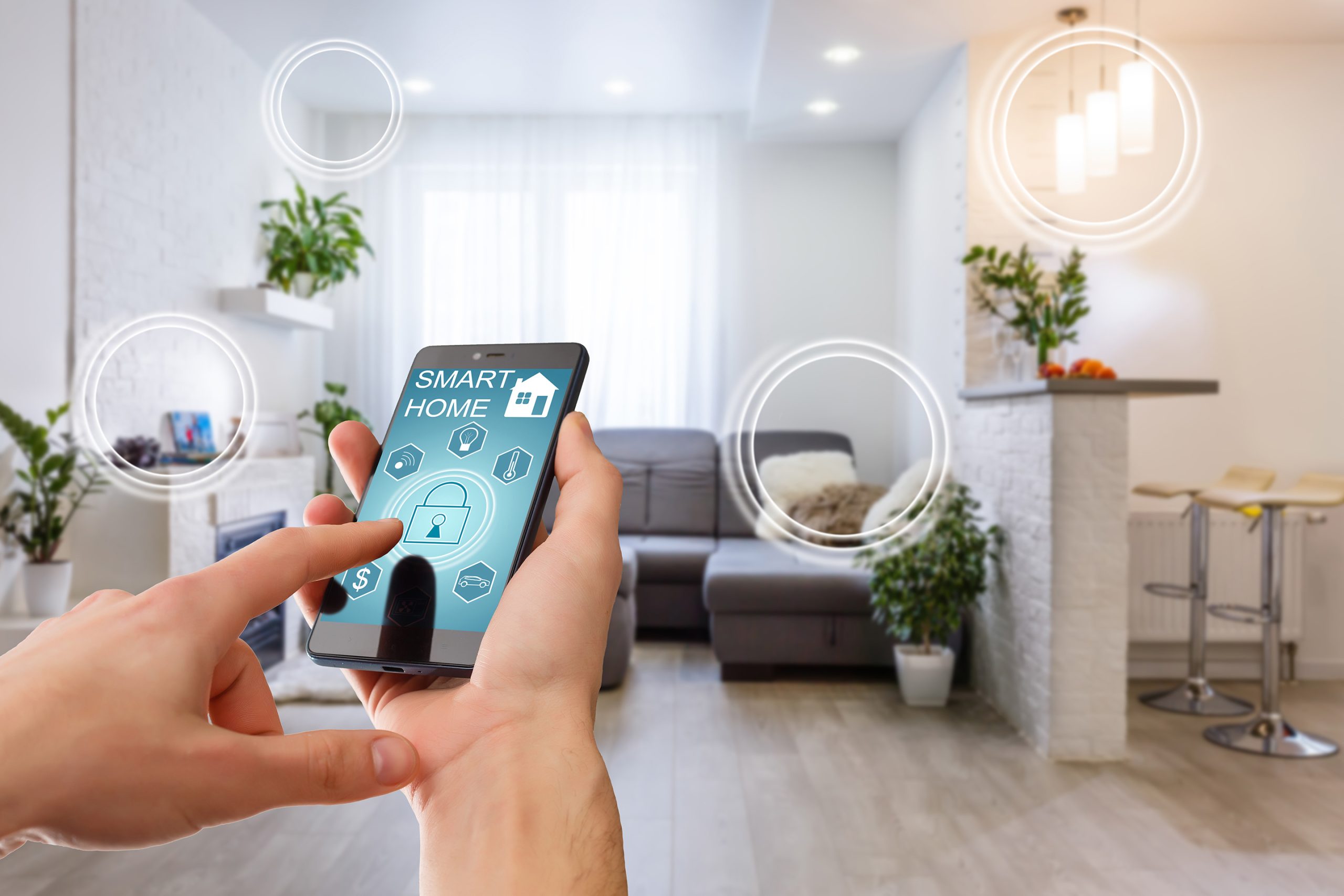
Shortly not so long ago, domestic appliances used to perform only one task: You turned them on, they started working and that was all. Study, change, and even communication, smarter appliances are gradually transforming the life of the modern generation as it integrates technology. Homes are now more receptive and familiar than ever before with refrigerators that are able to monitor the items you have stocked and air conditioning that you can turn on or off using your phone.
Luxury is soon turning into convenient convenience. With increased busy life and the escalating costs of energy, individuals are seeking intelligent means of saving time, cutting down on waste and being connected. It is not only a change of gadgets but also a change of the way we live at home.
What Are Smart Appliances?
Smart appliances are everyday household devices enhanced with internet connectivity and intelligent features that allow them to communicate, automate tasks, and be controlled remotely. In simple terms, they don’t just operate, they respond.
Traditional appliances perform a single function when manually operated. A conventional washing machine runs the cycle you select. A traditional air conditioner cools at the temperature you set. Smart-enabled devices, however, go further. They can adjust settings automatically, learn user preferences, and send updates directly to your phone.
The core technologies behind them include Wi-Fi connectivity, mobile app integration, built-in sensors, and automation systems. Many are also compatible with voice assistants, allowing hands-free control. Examples include smart refrigerators, intelligent washing machines, connected air conditioners, programmable ovens, and automated lighting systems.
Convenience Redefined: Saving Time and Effort
One of the biggest shifts smart appliances bring is convenience. Instead of physically adjusting settings, you can control devices remotely through your smartphone. Forgot to turn off the oven? You can check and switch it off from anywhere.
Scheduling features allow appliances to operate at specific times such as running a washing machine during off-peak electricity hours. Real-time alerts notify you when a cycle finishes or if something needs attention.
Voice commands add another layer of ease. You can dim lights, adjust temperature, or preheat the oven without lifting a finger. Over time, automation reduces daily mental load. Fewer reminders, fewer repetitive tasks and mental space for what truly matters.
Energy Efficiency and Cost Optimization
Smart appliances are not just about comfort; they are increasingly designed to optimize energy use. Many include intelligent power monitoring systems that track consumption and adjust performance accordingly.
For example, a smart air conditioner can automatically regulate cooling cycles based on room temperature and occupancy. Instead of running continuously, it adapts. Mobile apps allow users to monitor electricity usage in real time, helping households understand where their money is going.
Although smart appliances often cost upfront, their long-term savings can balance the investment. Lower electricity consumption means reduced bills and a smaller environmental footprint. Over time, smarter energy use supports financial savings and sustainability goals.
Smarter Kitchens: Transforming Cooking and Food Storage
The kitchen has become one of the most dynamic areas for smart innovation. Modern refrigerators can track food expiry dates, suggest storage adjustments, and even notify you when items are running low.
Understanding the deep freezer price in Pakistan also becomes part of planning a smart kitchen setup for households that store meat or bulk groceries. This reduces waste and unnecessary grocery spending while helping families manage food efficiently.
Smart ovens come with preset cooking programs and temperature control that adjusts automatically for consistent results. Busy families benefit from reminders and app-based controls that simplify meal preparation.
Smart kitchen appliances reduce daily stress by helping manage groceries and automate cooking tasks. Instead of constantly checking and adjusting, homeowners can rely on technology to handle the details.
Intelligent Climate Control at Home
Heating and cooling systems have evolved significantly with smart technology. Smart air conditioners and thermostats can learn household temperature preferences and adjust accordingly.
Zoned cooling and heating allow different rooms to maintain separate temperature settings, reducing wasted energy. Integration with weather updates enables systems to prepare for temperature changes before they happen.
Optimized usage not only enhances comfort but also prevents unnecessary power consumption. The result is a home environment that feels personalized while remaining energy efficient.
Laundry Made Simpler
Laundry appliances are also becoming intuitive. Smart washing machines can detect fabric type and load size, adjusting water levels and cycle intensity automatically. This improves cleaning performance while conserving water and electricity.
Some models measure detergent automatically, preventing overuse and residue buildup. Maintenance alerts notify you when filters need cleaning or when service may be required. These features extend appliance lifespan and reduce resource consumption. The experience becomes less about manual settings and about efficiency and reliability.
Home Safety and Security Enhancements
Beyond convenience, smart appliances contribute to home safety. Smart smoke detectors and gas leak sensors provide immediate alerts to your phone if an issue arises. Connected dishwashers and washing machines can detect unusual water flow and send leak warnings before damage escalates. Remote monitoring allows homeowners to check on their property while traveling.
For families, especially those with children or elderly members, these safety features add peace of mind. Technology becomes a silent guardian, continuously monitoring potential risks.
The Rise of Voice Assistants and Ecosystem Integration
Smart appliances rarely operate alone. Many integrate into larger smart home ecosystems. Through centralized hubs or apps, multiple devices can be controlled from a single interface. Voice assistant compatibility allows seamless interaction. A simple voice command can adjust lighting, change temperature, or start a coffee maker.
Interoperability between devices creates coordinated routines, lights dim when the TV turns on, or cooling adjusts automatically at bedtime. This interconnected environment simplifies daily living and enhances overall comfort.
Data and Personalization
Smart appliances gather usage data to improve performance. Over time, they learn habits preferred washing cycles, ideal room temperatures, or common cooking times.
Personalized routines can be created, such as automatically lowering lights and adjusting thermostat settings in the evening. Predictive maintenance features notify users before mechanical issues become serious. Personalization also raises privacy concerns. Homeowners must balance convenience with data security by choosing trusted brands and secure networks.
Challenges and Considerations
Despite their advantages, smart appliances are not without challenges. Higher upfront costs can be a barrier for many households. Most systems depend heavily on stable internet connections. Without connectivity, some advanced features become limited.
Privacy and cybersecurity risks must also be considered, as connected devices can be vulnerable to hacking if not properly secured. Additionally, rapid technological advancement may lead to faster obsolescence. Compatibility between different brands can sometimes create integration difficulties.
Are Smart Appliances Worth the Investment?
The answer depends on lifestyle and priorities. Working professionals and busy families often benefit most from automation and remote control features. Elderly users may appreciate voice commands and safety alerts.
When evaluating value, consider long-term savings and convenience rather than just the purchase price. When evaluating value, focus on long-term savings and convenience rather than just the initial purchase price. Buyers compare trusted brands, such as Haier refrigerators, to determine whether a smart upgrade justifies the investment.
For some households, traditional appliances may still meet needs effectively without the added complexity. Smart appliances make the most sense when they solve real problems saving time, reducing energy costs, or improving safety.
The Future of Smart Living
The next phase of smart living is likely to be driven by artificial intelligence. Appliances will become predictive, adjusting settings before users even make requests. Greater integration with energy grids may allow homes to consume electricity during off-peak hours automatically. Sustainable homes powered by renewable energy will increasingly rely on intelligent systems.
In the future, appliances may self-diagnose issues, schedule maintenance, or even reorder supplies automatically. As homes become interconnected, modern living will continue evolving toward seamless, responsive environments designed around human needs.
Conclusion
Smart devices are no longer just impressive technological improvements, they are reshaping the way we experience daily life at home. appliances are no longer just impressive tech upgrades; they are reshaping how we experience daily life at home. Are saving time, reducing energy waste, or improving security and personalization, these devices bring intelligence to routines that once required constant manual effort. From saving time and reducing energy waste to enhancing safety and personalization, these devices bring intelligence into routines that once required constant manual effort.
The real transformation lies in how they seamlessly combine convenience and efficiency. They blend convenience with efficiency. However, adopting smart technology should be a considered decision and not driven by a trend. thoughtful decision, not a trend-driven one.


