Connecting Denial Data to Revenue Cycle Optimization Using Smart Software
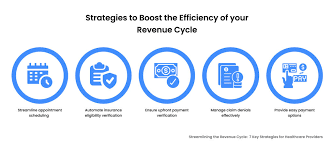
Denial data is an underutilized asset in healthcare finance, containing precise clues about revenue cycle breakdowns. Providers spent $19.7 billion overturning denied claims in 2024. Most organizations treat denial management as a separate, reactive function, isolating this critical data and creating a cycle of repeated errors and revenue loss.
Teams work on denials without fixing the upstream causes, trapping valuable insights. Integrating advanced revenue cycle denial tools breaks this cycle. These systems transform denial data into an optimization engine, connecting reasons directly to specific processes and people to enable targeted corrections.
This blog details how to connect denial data to optimization, explains how to analyze it for actionable insights, provides a framework for calculating true cost, and outlines how to implement a continuous improvement cycle.
The Critical Link Between Denial Reasons and Process Failures
Every denial reason code points to a specific failure in your revenue cycle. The key is to map each code back to the exact point of breakdown. This turns a list of errors into a process improvement roadmap.
Common Denial Reasons for Process Failure Mappings
- CO-16: “Claim/service lacks information”: This often indicates a clinical documentation gap. The physician’s note did not support the medical necessity of the service.
- CO-18: “Duplicate claim/service”: This points to a workflow or billing system failure. Your process allowed the same service to be submitted twice.
- CO-22: “This care may be covered by another payer.”: This is a patient access and registration failure. Eligibility and coordination of benefits were not verified correctly.
- CO-29: “The time limit for filing has expired.”: This is a pure process and workflow failure. Claims are stuck in a bottleneck and not submitted on time.
Denial management software automates this mapping. It uses rules to assign each denial to a responsible department. This removes the debate about who owns the problem. The data clearly shows which team needs to implement the fix.
How to Calculate the Full Financial Impact of Denials
To prioritize optimization efforts, you must quantify denial impact. The cost is far more than just the dollar value of the denied claim. It includes labor, delay, and lost opportunity costs.
Use this framework to calculate total denial cost:
- Direct Claim Value: The reimbursement amount of the denied service.
- Labor Cost to Re-work: (Time to Research + Time to Appeal) x Staff Hourly Rate. This often takes 30-60 minutes per denial.
- Cost of Cash Flow Delay: (Claim Value) x (Your Cost of Capital) x (Delay in Days/365). This quantifies the value of having cash tied up.
- Potential Write-Off Cost: Not all appealed denials are recovered. Factor in a historical write-off rate for that denial type.
Example Calculation:
A $1,000 claim is denied for insufficient documentation (CO-16). Your coder spends 45 minutes ($30 of labor) researching and resubmitting. Payment is delayed by 45 days. Your organization’s cost of capital is 8%.
- Labor Cost: $30
- Delay Cost: $1,000 x 0.08 x (45/365) = $9.86
- Total Cost of this Denial: $1,000 + $30 + $9.86 = $1,039.86
The software should help you automate these calculations at scale. This reveals that a 5% denial rate is far more costly than it appears.
Using Denial Data to Drive Proactive Process Optimization
With cost and cause understood, you can now optimize proactively. Use denial data to design and test interventions. Measure their success by the subsequent drop in specific denial reasons.
Optimization Process
- Quarterly Priority Setting: Use software reports to select the top 3 denial reasons by total cost. Focus all optimization efforts on these for the next quarter.
- Root Cause Analysis (RCA): For each priority, convene the responsible team. Use the “5 Whys” technique to drill down to the fundamental process flaw.
- Design and Implement a Pilot Fix: Create a small, testable change. Example: For CO-16, pilot a new documentation prompt in the EHR for two providers.
- Measure and Scale: Use your denial software to track the specific reason code weekly. Did the pilot show a reduction? If yes, scale the fix. If no, reconvene the team.
A common pitfall is implementing organization-wide changes from a small sample. Always pilot. Another pitfall is not allowing enough time. Process changes may take 60-90 days to reflect in denial data. Be patient and keep measuring.
Integrating Denial Insights with Front-End Revenue Cycle Operations
Optimization fails if denial insights stay within the billing office. The real power comes from feeding this data upstream. This prevents errors at the point of origin.
Key Integration Points
- Patient Access/Registration: Share dashboards showing top eligibility and authorization denials. Build these denial reasons into registration checklists.
- Clinical Documentation Improvement (CDI): Provide physicians with data on denials linked to their specific documentation gaps. Make it educational, not punitive.
- Coding and Charge Capture: Automatically flag charts from providers with high denial rates. Give coders a “second look” to catch errors pre-submission.
- Payer Contract Management: Use denial data to identify problematic payer policies. Bring this data to contract negotiations for better terms.
Your revenue cycle denial tools should facilitate this sharing. Look for features like role-based dashboards. The registration team should see a live feed of CO-18 and CO-29 denials. The CDI team should see CO-16 trends. This closes the feedback loop.
Selecting Software that Enables True Data Integration
Your optimization capability depends on your software’s integration depth. The tool must connect data across your entire revenue cycle ecosystem. It should be a central hub, not another silo.
Evaluate software based on these integration capabilities:
- Bidirectional EHR/PM System Integration: It should pull patient and claim data in. It should also push denial alerts and tasks back out to workflow queues.
- Open API or HL7 Interface Support: This future-proofs your investment. It allows connection to other best-in-class systems you may adopt.
- Automated Payer Data Feeds: The system should automatically import ERA and EOB data. Manual entry destroys data integrity and timeliness.
- Customizable Data Fields and Workflows: Your processes are unique. The software must adapt to map denials to your specific department structure.
Avoid software that is just a better spreadsheet. You need a system that actively connects data points. During demos, ask vendors to show exactly how a denial reason triggers an alert in another system. This is the connective tissue you need.
Implementing a Data-Driven Denial Optimization Program
Technology enables the process, but people execute it. A successful program requires clear roles, regular rituals, and leadership commitment.
Step by Step Implementation Process
- Assemble a Cross-Functional Optimization Team: Include leaders from Patient Access, HIM, Clinical Departments, and Finance. This is not an IT project.
- Define Roles and Metrics: The HIM Director owns coding denial reduction. The Patient Access Manager owns registration denial reduction. Set clear, numerical goals for each.
- Establish a Regular Review Cadence: Hold a weekly 30-minute “Denial Triage” meeting. Review the previous week’s top denials using the software dashboard.
- Create a Simple Action Tracking System: Use a shared document or a module in the software. Track each optimization idea, owner, and status.
- Report Progress Upward Monthly: Create a one-page report for executive leadership. Show trends in top denial reasons, costs avoided, and A/R days saved.
The main adaptation challenge is accountability. Departments may resist being “blamed” for denial data. Frame it as a system problem you are solving together. Use the data to get those resources, not to assign fault.
Measuring Success and Building a Culture of Continuous Improvement
The final step is institutionalizing the optimization mindset. Success is not a one-time drop in denials. It is a culture that uses data to constantly improve.
Key Indicators of Successful Program
- Decreasing Denial Rate Trend Line: Your overall denial rate should trend down month-over-month.
- Increasing Recovery Rate with Less Effort: You are winning more appeals while spending less staff time per appeal.
- Shorter A/R Days: Cleaner claims and faster resolutions accelerate cash flow.
- Proactive Identification of New Issues: Your team spots a new denial trend and addresses it before it becomes widespread.
Celebrate wins publicly. When a department’s targeted denial reason drops by 40%, recognize the team. This reinforces the value of the data-driven approach. It builds momentum for the next optimization cycle.
Conclusion
Denial data is the diagnostic tool for a healthy revenue cycle. Isolated, it represents a list of problems. Connected through smart denial management software, it becomes a powerful optimization engine. It provides the evidence needed to fix process failures at their source.
The journey involves selecting technology that integrates deeply with your systems. It requires building a cross-functional team dedicated to continuous improvement. Success is measured in stronger financial metrics and a more resilient operation.
For healthcare leaders, the opportunity is clear. Stop treating denials as a back-office cost center. Start leveraging them as strategic data for revenue cycle optimization. The organizations that master this connection will achieve superior financial performance and sustainable growth.


