Aiman Muneeb Pics: How to Find Authentic Public Photos
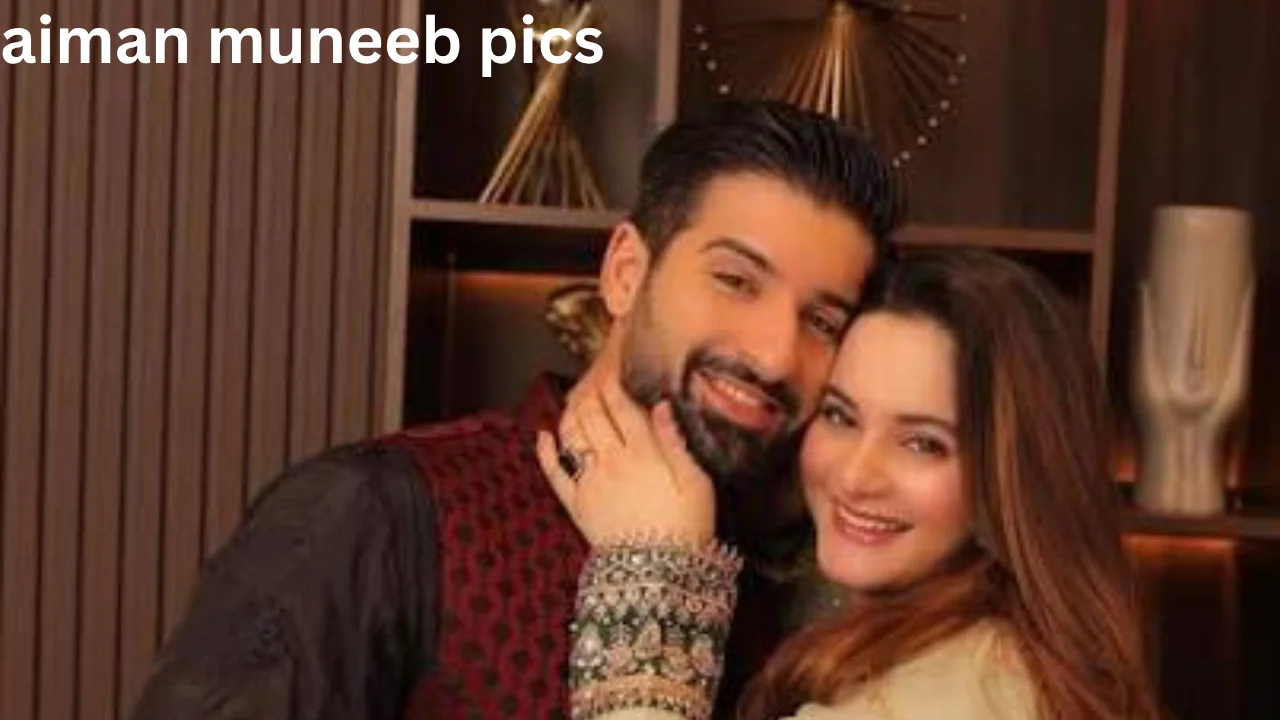
Aiman Muneeb pics usually refers to public photographs of Pakistani actor Aiman Khan and her husband, actor Muneeb Butt. The most reliable images are those shared through their verified social-media accounts, official production or event pages, and established entertainment publications. Looking at the original post and its date helps separate authentic photos from reposts, edits, and wrongly labeled images.
Photos of public figures can be enjoyable to follow, especially around drama projects, award appearances, family celebrations, and fashion shoots. Still, the best approach is to use public, credited material and avoid sharing private, altered, or unverified images.
You May Read: pakistani dramas 2022
Where to look for authentic Aiman Muneeb pics
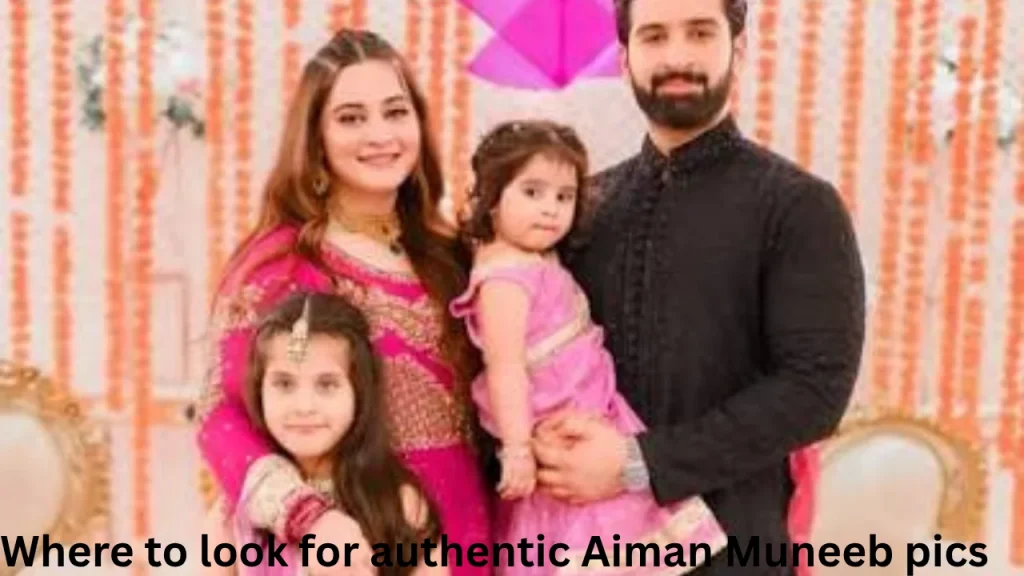
The original uploader is usually the strongest indicator that a photo is genuine. Aiman Khan and Muneeb Butt are well-known Pakistani television personalities, and photos posted on their public official profiles provide the clearest context for an image.
- Official social-media profiles: Original posts may include captions, tags, dates, and comments that explain the occasion.
- Verified production, broadcaster, or event accounts: These can share photos connected to dramas, promotions, interviews, launches, or public appearances.
- Reputable entertainment publications: Articles and photo galleries may identify an event, photographer, designer, or project.
- Photographers and fashion teams: For editorial shoots, the credited photographer, makeup artist, stylist, or brand may publish the source images.
Search-result image panels and fan pages can be useful for browsing, but they are often reposted without the original caption or credit. Treat them as leads, not as proof of an image’s source or date.
How to check whether a photo is real and current
A photo can be authentic but still be presented with a misleading date, event, or caption. Before reposting it, check its earliest available public source and compare it with other posts from the same occasion.
- Open the source post. Do not rely only on a cropped screenshot, a repost, or a search thumbnail.
- Read the caption and tags. These may identify the event, campaign, drama set, or family occasion.
- Check the posting date. Older portraits and event looks often circulate again as if they are new.
- Compare nearby posts. A series of images from the same outfit, venue, or shoot can confirm the context.
- Look for editing clues. Unnatural edges, inconsistent shadows, distorted hands or jewelry, and mismatched backgrounds can indicate a manipulated image.
- Use reverse-image search when necessary. This can help locate earlier public versions and reveal whether an image has been reused with a different story.
Verification matters most when an image is tied to rumors, personal claims, or alleged news. A flattering portrait may need little context; a photo used to suggest an event or statement should be checked more carefully.
Common types of photos available publicly
Public photo collections can look quite different depending on why the image was made. Knowing the category makes captions and dates easier to interpret.
| Photo type | Typical context | Useful way to confirm it |
|---|---|---|
| Couple portraits | Celebrations, sponsored shoots, or personal public posts | Check the original account, tags, and any creative credits. |
| Event photos | Premieres, award shows, brand events, or interviews | Compare with the organizer’s posts and coverage from the same event. |
| Drama and promotional stills | Television projects, trailers, press campaigns, or set content | Look for broadcaster, production-house, or project-page attribution. |
| Fashion editorials | Designer campaigns, magazine features, and styled shoots | Check brand, photographer, makeup, styling, and publication credits. |
| Family-related public posts | Birthdays, holidays, and other personal milestones shared publicly | Keep the original caption and avoid adding unsupported details. |
Why captions and dates can be misleading
Celebrity photos are frequently copied from one platform to another. During that process, the year, venue, photographer, and even the people shown can be mislabeled. An old wedding-related picture, for example, may resurface during a later celebration, while a production still can be incorrectly described as a private photo.
A caption written by a fan account may be sincere but still inaccurate. The original poster’s caption, a recognized event organizer’s account, or a reputable outlet’s clearly labeled coverage is more useful than a chain of reposts.
It is also wise to separate what an image visibly shows from what someone claims it proves. Clothing, a location, or another person in the frame rarely confirms a private event, relationship detail, pregnancy rumor, or future project on its own. Public statements and reliably attributed reporting provide better context than visual speculation.
Respectful sharing of public celebrity photos
Being publicly visible does not remove a person’s right to dignity or privacy. Aiman Khan, Muneeb Butt, and their family deserve the same basic consideration online as anyone else.
- Share only images that were publicly posted or legitimately published.
- Keep the creator or original account credited where the platform allows it.
- Do not remove watermarks, crop out photographer marks, or claim someone else’s work as your own.
- Avoid invasive, leaked, or clearly private images, even if they are circulating widely.
- Do not repost children’s images in harmful, sexualized, mocking, or misleading contexts.
- Do not attach rumors, invented quotes, or personal allegations to a photograph.
A respectful caption can be simple: identify the public event or source when known, describe only what is clear, and leave out assumptions. This protects both the people in the photo and viewers who may otherwise be misled.
Copyright and reposting: what public access does not mean
A photo being visible online does not automatically make it free to download, edit, republish, or use commercially. Copyright commonly belongs to the photographer, agency, publication, brand, or another rights holder, even when the image features a celebrity.
Personal sharing tools provided by the original platform may be different from copying an image into a blog post, advertisement, product listing, video thumbnail, or commercial social post. Commercial use can involve additional permissions, including rights connected to endorsements, brands, or recognizable people.
For a website, business, or media project, the safer route is to obtain permission or use an appropriately licensed image. Crediting a photographer is good practice, but credit alone does not necessarily grant permission. Platform rules and copyright laws vary, so a rights holder’s stated terms should guide reuse.
How to save a useful photo reference without spreading misinformation
When keeping a public image for personal reference, save its context along with it. A filename or note containing the source account, posting date, event, and creator credit can prevent confusion later.
For example, rather than labeling a file only as “new Aiman Muneeb photo,” use a neutral description such as “public event image—source and date recorded.” This makes it less likely that an older image will later be shared with an inaccurate claim.
Do not assume every professionally styled image is from a recent campaign or every casual photograph is a private leak. Source information is more reliable than appearance alone.
Distinguishing fan edits from original photography
Fan edits are a common form of online appreciation. They may combine several portraits, change colors, add text, or place people against a new backdrop. When clearly labeled as edits, they can be creative tributes. Problems arise when a manipulated image is passed off as an original photo, a real event image, or evidence of something that did not happen.
Signs that a post may be an edit include unusually smooth facial details, altered proportions, copied backgrounds, heavy filters, artificial-looking text, and no identifiable original source. A collage is not automatically deceptive, but it should not be treated as documentary photography.
FAQs
Who are Aiman Khan and Muneeb Butt?
Aiman Khan and Muneeb Butt are Pakistani actors known for work in television. They are also widely recognized as a married couple and appear in public entertainment, fashion, and social-media content.
What is the best source for recent public photos?
Their official public social-media posts are generally the best starting point, followed by clearly credited posts from broadcasters, brands, event organizers, and reputable entertainment outlets.
Can an old photo appear to be new?
Yes. Images are often reposted without dates, and older event or portrait photos may circulate again with fresh captions. Check the earliest source post before treating an image as recent.
Are fan pages reliable for photo credits?
Some fan pages provide useful links, but credits can be lost or changed through reposting. Confirm the image through the original account or credited photographer whenever possible.
Is it okay to use a celebrity photo for a business page?
Not automatically. Public visibility does not equal permission for commercial use. Obtain the required license or permission from the rights holder before using a photo in marketing, ads, products, or other business material.
A clear way to enjoy public photos responsibly
The most dependable Aiman Muneeb pics are public images with a clear original source, accurate context, and visible creator credit. Check where a photo first appeared, keep its date and purpose in mind, and avoid turning an image into proof of rumors or private claims. That approach supports accurate information while respecting the people photographed and the creators behind the camera.
People Also Read: vivo s1 price in pakistan 8gb ram 128gb rom